
Best Cast Iron Dutch Oven for Bread: 5 Options Compared
Compare five cast iron Dutch ovens for sourdough and homemade bread, with advice on capacity, lid design, enamel, maintenance, and oven temperature.
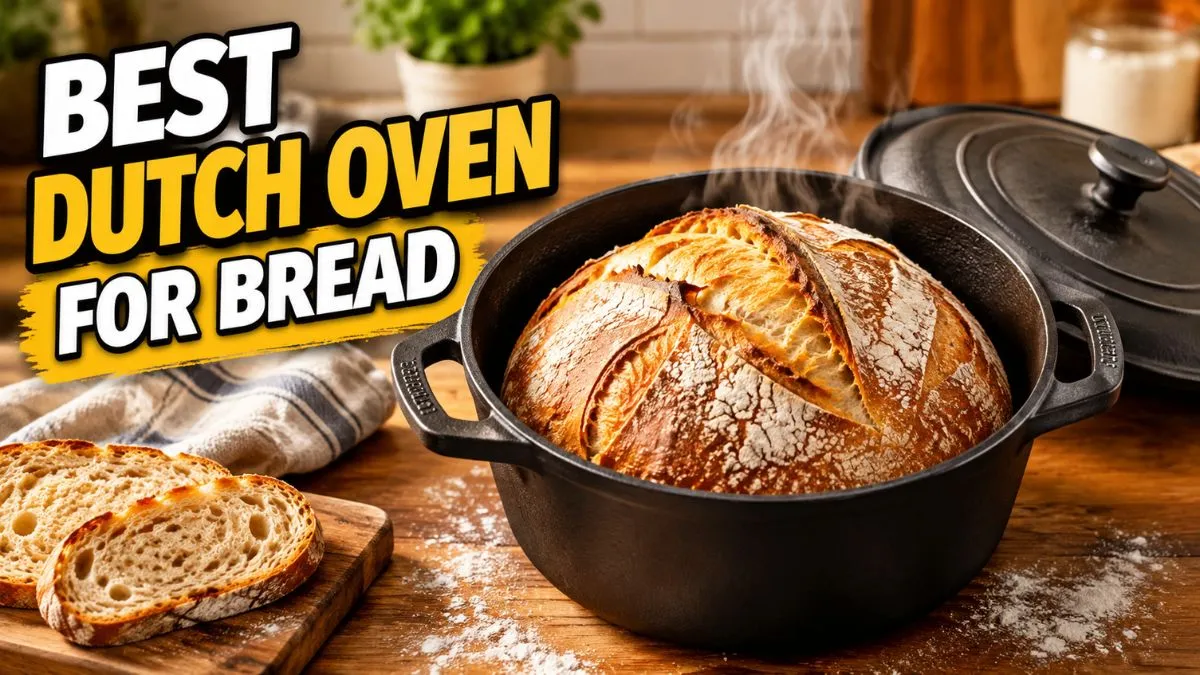
The best cast iron Dutch oven for bread can help home bakers create a deeply browned crust and a tender interior without a professional steam-injected oven. The right choice depends on loaf size, lid design, oven-safe temperature, and whether you prefer bare or enameled cast iron. A pre-seasoned pot offers traditional cast iron cooking but needs proper drying and seasoning care. An enameled model generally avoids routine seasoning maintenance, although its coating needs protection from chips and thermal shock. This guide compares five candidates using product identity and practical buying criteria—not independent, hands-on baking tests.
Quick Comparison Table
| Image | Product | Key Feature | Buy Now |
|---|---|---|---|
| Umite Chef 5-Quart Enameled Dutch Oven 🏆 Best Overall Candidate | 5 qt • Enameled finish • Multipurpose pot; handle enamel carefully | Buy Now | |
| Lodge 5-Quart Double Dutch Oven 🏆 Best Dual-Purpose Design | 5 qt • Pre-seasoned iron • Lid doubles as skillet; seasoning care needed | Buy Now | |
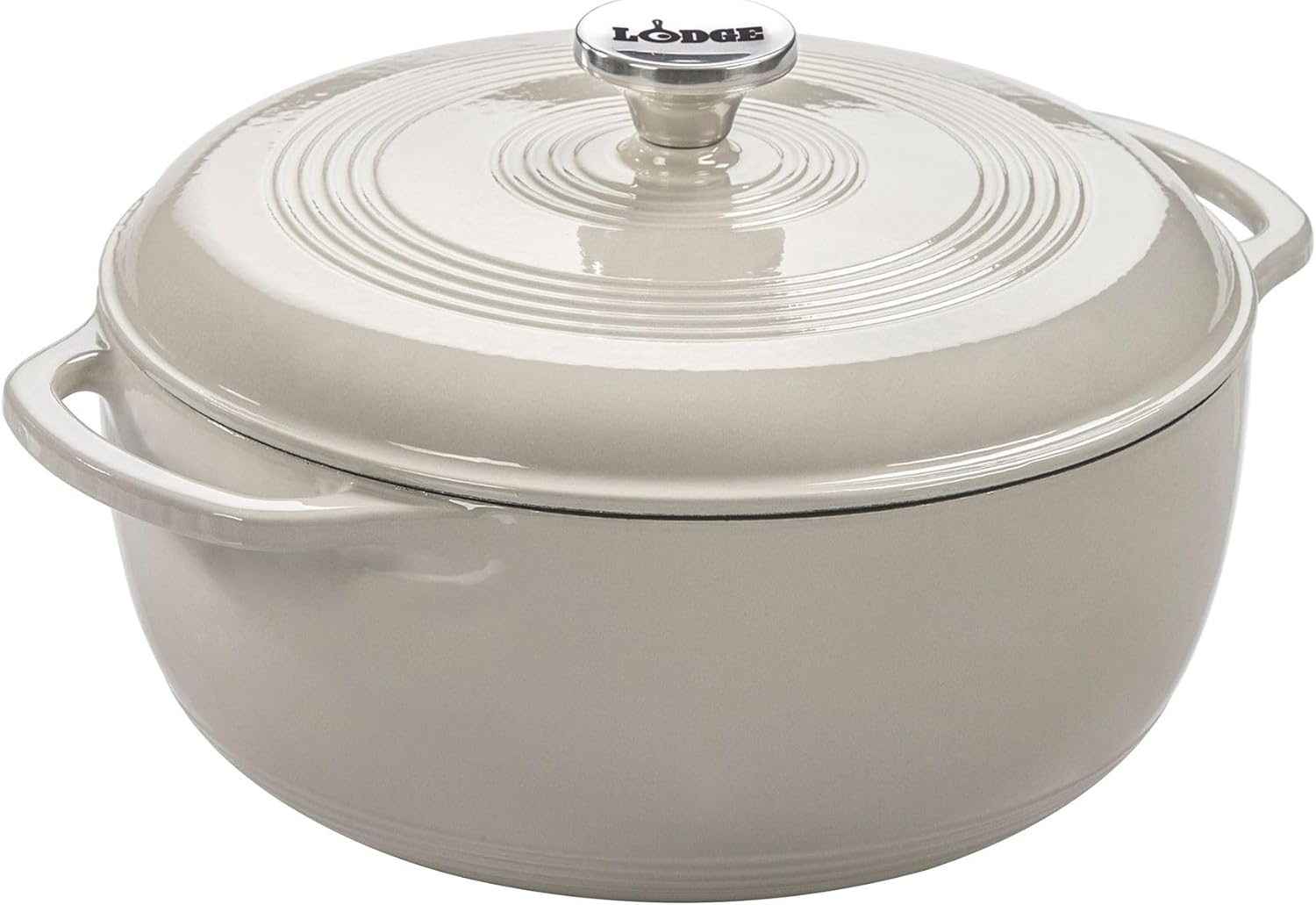
| Lodge 6-Quart Enameled Dutch Oven 🥈 Best Enameled Alternative | 6 qt • Oyster White enamel • Listing rates up to 500°F; verify variant | Buy Now | |
| EDGING CASTING 5-Quart Dutch Oven 🥈 Skillet-Lid Alternative | 5 qt • Pre-seasoned iron • Skillet-style lid; verify oven rating | Buy Now | |
| Amazon Basics 7-Quart Dutch Oven 🏆 Larger-Capacity Candidate | 7 qt • Pre-seasoned iron • Larger capacity; bulky for small loaves | Buy Now |




5 Recommended Best Cast Iron Dutch Oven for Bread
Five research-based candidates for bread and everyday cooking
We compared product identity and practical buying criteria, including capacity, finish, lid design, and care. No independent hands-on baking tests were performed. Confirm the exact variant and temperature rating before buying.
🌟 Key Features That Stand Out
- ✓ Capacity: 5-quart pot for bread and family meals
- ✓ Finish: Enameled cast iron without routine seasoning
- ✓ Lid: Tight-fitting lid with condensation nodes
- ✓ Versatility: Bread baking, braising, stews, and roasting
- ✓ Oven rating: Amazon listing states up to 500°F; follow the model’s instructions
- ✓ Care: Cool naturally and protect enamel from thermal shock
💡 Why We Recommend It
🎯 Best For
✅ Pros
- No routine bare-iron seasoning.
- Useful for multiple cooking tasks.
- Listed medium capacity.
- Cast iron retains heat.
❌ Cons
- Heavy when preheated.
- Enamel can chip if mishandled.
- Confirm the exact oven-temperature limit before baking.
🌟 Key Features That Stand Out
- ✓ Capacity: 5-quart cast iron pot
- ✓ 2-in-1 design: Lid doubles as a dual-handle skillet
- ✓ Heat retention: Cast iron for even cooking and bread baking
- ✓ Versatility: Oven, stovetop, grill, and campfire use
- ✓ Finish: Seasoned iron and oil; maintain seasoning
💡 Why We Recommend It
🎯 Best For
✅ Pros
- Skillet-style lid adds versatility.
- Pre-seasoned surface.
- No enamel coating to chip.
- Useful for multiple cooking methods.
❌ Cons
- Requires seasoning care.
- Heavy to handle when hot.
- Can rust if stored damp.
🌟 Key Features That Stand Out
- ✓ Capacity: 6-quart Oyster White model in the fetched listing
- ✓ Finish: Enameled cast iron; no routine seasoning
- ✓ Oven rating: Listing states up to 500°F
- ✓ Versatility: Marinating, baking, simmering, and refrigerating
- ✓ Care: Hand washing recommended
💡 Why We Recommend It
🎯 Best For
✅ Pros
- Enameled cookware category.
- Cast iron heat retention.
- Potential multipurpose use.
❌ Cons
- Confirm the exact model and capacity before ordering.
- Enamel needs careful handling.
- Current warranty and value need checking.
🌟 Key Features That Stand Out
- ✓ Capacity: Listed 5-quart pot
- ✓ Material: Pre-seasoned cast iron
- ✓ 2-in-1 design: Pot with skillet-style lid
- ✓ Handles: Dual handles
- ✓ Before use: Confirm interior dimensions and oven-temperature limit
💡 Why We Recommend It
🎯 Best For
✅ Pros
- Skillet-style lid.
- Listed 5-quart capacity.
- Pre-seasoned cast iron.
- Multipurpose design.
❌ Cons
- Requires seasoning maintenance.
- Heavy when preheated.
- Temperature limit needs verification.
🌟 Key Features That Stand Out
- ✓ Capacity: 7-quart round pot
- ✓ Material: Pre-seasoned cast iron
- ✓ Lid and handles: Fitted lid with dual side handles
- ✓ Oven rating: Amazon listing states up to 500°F
- ✓ Care: Hand wash, dry thoroughly, and maintain seasoning
💡 Why We Recommend It
🎯 Best For
✅ Pros
- Larger listed capacity.
- Cast iron construction.
- Matching lid.
- Useful for more than bread.
❌ Cons
- May be oversized for smaller loaves.
- Heavy and takes storage space.
- Confirm the exact oven rating before baking.
🏆 Our Top Pick
Before buying, confirm the exact variant, interior dimensions, oven-safe temperature, care instructions, warranty, and current price. These practical details matter more than capacity alone.
How to Choose a Dutch Oven for Bread
Capacity and dimensions
A 5- to 6-quart round pot is a reasonable starting point for many standard home sourdough loaves. Check internal diameter and depth against dough weight, loaf shape, and expansion rather than relying on quart capacity alone. For a practical starting recipe, see our easy sourdough bread recipe.
Oven-safe temperature
Some bread recipes call for 450–500°F. Verify that the exact pot, lid, knob, and handles are rated for your recipe. Do not infer temperature safety from cast iron construction alone.
Bare vs. enameled cast iron
Bare cast iron needs drying and seasoning care. Enamel avoids routine bare-iron seasoning but needs protection from chips and thermal shock. Both can be suitable if rated for your recipe. Compare finishes in our enameled cast iron skillet buying guide.
Lid design
A well-fitting lid helps retain steam released by the dough. A skillet-style lid adds cooking flexibility, while a specialized bread oven may make loading and unloading easier.
Weight and handling
Preheated cast iron is heavy. Consider your ability to lift it safely, oven-rack stability, and a secure grip with oven mitts. For smaller everyday cookware, compare our lightweight cast iron skillet options.
Cleaning and care
Dry bare cast iron thoroughly and maintain seasoning as directed. Clean enamel with nonabrasive tools and avoid sudden temperature changes. New to the material? Read our cast iron skillet guide for beginners.
Price and warranty
Compare current prices, warranty terms, return policies, dimensions, and exact variants. The cheapest or largest pot is not automatically the best value.
Practical Tips for Better Dutch Oven Bread
- Match the pot’s internal dimensions to your loaf.
- Follow the recipe’s preheating instructions and the cookware’s temperature limits.
- Plan a safe dough transfer; use parchment or a bread sling only within its temperature rating.
- Follow covered and uncovered baking stages.
- Dry bare cast iron thoroughly after cleaning.
- Protect enamel from impacts, abrasive cleaners, and thermal shock.
- If bread is dense or pale, review fermentation, scoring, oven temperature, and timing before blaming the pot.
Other Buying Guides
If you also cook on the stovetop, explore our cast iron skillets for searing steak and cast iron skillets for glass-top stoves.


