3 Best Grill Brush for Cleaning Grates: Safe & Effective Options Compared
Find the best grill brush for cleaning grates. Research-based guide comparing 7 safe, effective options for gas, charcoal, and pellet grills. Bristle-free picks prioritized.

Finding the best grill brush for cleaning grates matters more than many backyard cooks realize. Burnt-on grease, carbonized sauces, and food residue do more than look unappetizing—they can create flare-ups, uneven heating, and off-flavors on the next cook. The right tool removes that buildup efficiently while minimizing the risk of leaving metal fragments behind. Traditional wire-bristle brushes have long been the default, but multiple recalls by the U.S. Consumer Product Safety Commission (involving brands such as Weber, Cuisinart, and Nexgrill) have highlighted the hazard of detached bristles that can stick to food and cause serious injury if ingested. As a result, many independent testers and reviewers now prioritize bristle-free designs: stainless-steel coils, chainmail, steam-activated pads, and nylon options for cooler grates. This guide evaluates seven widely recommended grill brushes available on Amazon in the United States. Selection draws from published specifications, laboratory-style tests by outlets such as America’s Test Kitchen, Bon Appétit, Serious Eats, and Bob Vila, plus consistent patterns in verified customer feedback. No personal product testing was performed. The goal is practical decision-making: match the brush type to your grate material, preferred cleaning temperature (hot vs. cool), and budget.
Quick Comparison Table
| Image | Product | Key Feature | Buy Now |
|---|---|---|---|
| Kona Safe/Clean Bristle-Free Grill Brush 💰 Best Budget | Corners fit between bars • No individual bristles to shed. • Weather-resistant and designed for | Buy Now | |
| Scrub Daddy BBQ Daddy 🏆 Best for Steam Cleaning | Softens with heat/steam • No traditional wire bristles. • Built-in stainless scraper. | Buy Now | |
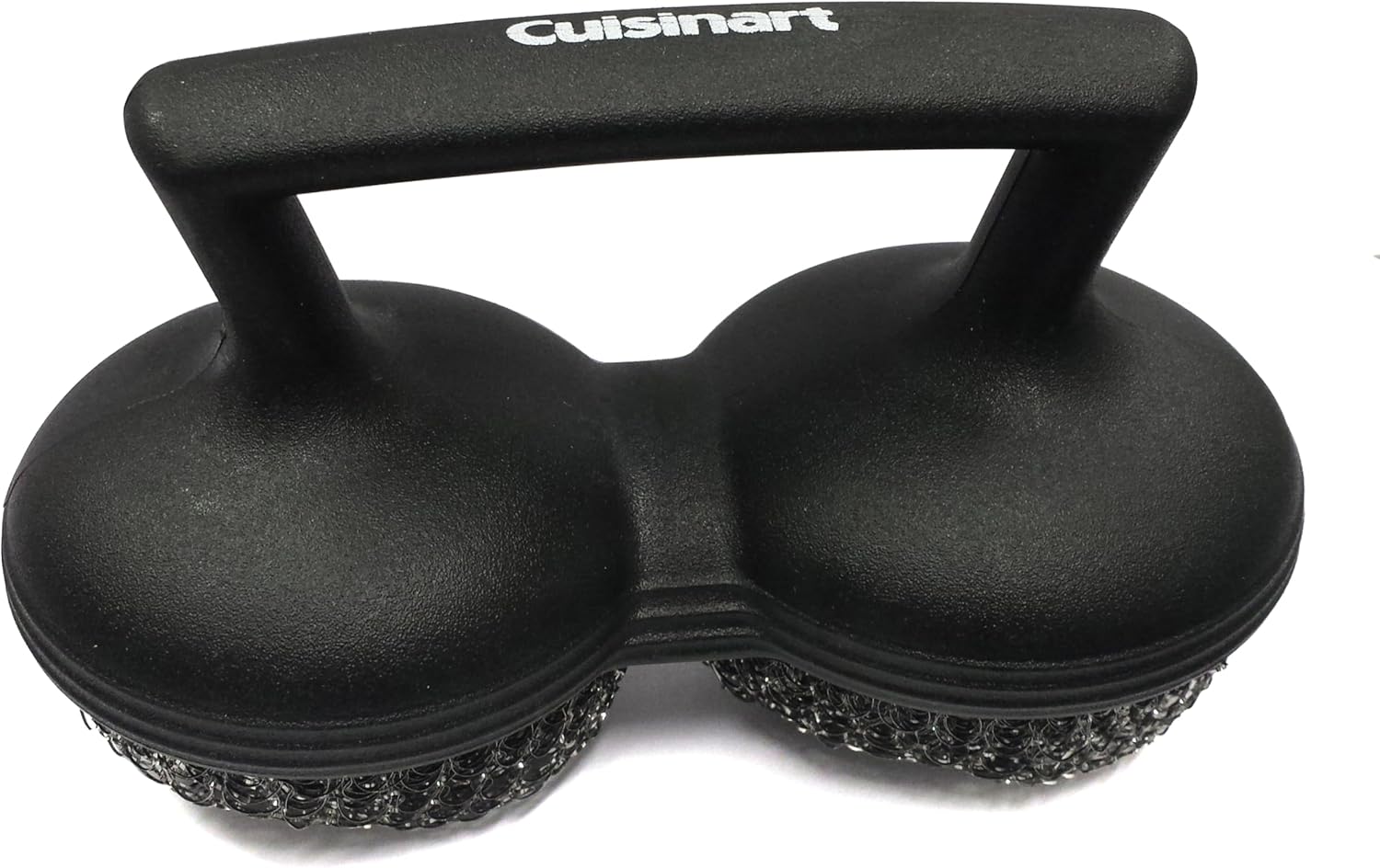
| Cuisinart Power Scour Bristle-Free Grill Brush 💰 Best Compact Value | Clean top and sides simultaneously. • Heavy-duty plastic casing and handle. • Wide two-handed shape for leverage. | Buy Now |

3 Recommended Best Grill Brush for Cleaning Grates
Three research-based candidates compared on features and everyday use
We compared product identity and practical buying criteria from the current Amazon listings. No independent hands-on tests were performed. Confirm the exact variant, dimensions, and care instructions before ordering.
🌟 Key Features That Stand Out
- ✓ Triangular coil head: Corners fit between bars; flat sides clean tops.
- ✓ 100% stainless-steel construction: No individual bristles to shed.
- ✓ Approximately 18-inch handle: Weather-resistant and designed for leverage.
- ✓ Steam-cleaning technique recommended: Dip in water on a preheated grill for added effectiveness.
- ✓ 10-year limited manufacturer warranty (per product claims).
- ✓ Not recommended for very thin round stainless or small portable grills according to the manufacturer.
- ✓ Requires specific technique for best results
💡 Why We Recommend It
🎯 Best For
🌟 Key Features That Stand Out
- ✓ FlexTexture + ArmorTec mesh head: Softens with heat/steam, firms when cool.
- ✓ Bristle-free design: No traditional wire bristles.
- ✓ Built-in stainless scraper.
- ✓ Rotating helper handle / leverage knob.
- ✓ Retractable grate-lifting hook and bottle opener.
- ✓ Replaceable head available.
- ✓ Dishwasher-safe head (per manufacturer).
💡 Why We Recommend It
🎯 Best For
🌟 Key Features That Stand Out
- ✓ Two coiled stainless scouring pads: Clean top and sides simultaneously.
- ✓ Heavy-duty plastic casing and handle.
- ✓ Wide two-handed shape for leverage.
- ✓ Reusable pads.
- ✓ Suitable for grills and griddles.
- ✓ No traditional wire bristles.
- ✓ Shorter handle
💡 Why We Recommend It
🎯 Best For
🏆 Our Top Pick
The best grill brush for cleaning grates is the one that matches your safety priorities, grate type, cleaning temperature preference, and budget. For most American backyard grillers, a research-supported bristle-free coil design such as the Kona Safe/Clean delivers effective cleaning without the documented risks of traditional wire bristles. Steam-oriented options excel when you clean while the grill is still hot and want less physical effort. Premium or innovative designs add ergonomics, replaceability, or unique multi-mode features for enthusiasts.
Prioritize safety first—avoid recalled or worn wire brushes—then evaluate handle length, material compatibility, and whether replaceable heads matter for your usage frequency. With the right tool and a consistent cleaning habit, your grates will stay functional and your food will taste better, cook more evenly, and carry less risk of unwanted metal fragments.
How to Choose the Best Grill Brush for Cleaning Grates
Bristle Type and Safety
Traditional wire bristles clean aggressively but carry a documented risk of detachment. Multiple CPSC recalls have cited ingestion hazards. Bristle-free alternatives—stainless coils, chainmail, steam-activated mesh/foam, and nylon—eliminate that specific risk. Coils and chainmail still use metal but in continuous or interlocked forms less prone to shedding. Nylon is safest for cooler, porcelain-coated surfaces but generally less effective on heavy carbon when used cold.
Handle Length and Ergonomics
An 16–20 inch handle keeps hands farther from hot surfaces on full-size grills. Shorter or compact designs (such as the Cuisinart Power Scour) work for small grills or griddles but reduce heat distance. Soft grips, angled necks, and secondary leverage knobs improve control during longer sessions.
Cleaning Method: Hot vs. Cool
Many modern brushes are designed for hot or warm grates, where heat softens residue and steam (from a wet head) accelerates cleaning. Nylon brushes are typically restricted to cool grates to avoid melting. Match the tool to your preferred cleanup timing—immediately after cooking or the next day.
Grate Material Compatibility
Stainless steel and cast iron tolerate most coil and steam designs. Porcelain-coated grates benefit from gentler options or careful technique to avoid chipping. Ceramic or specialized coatings may require manufacturer-specific guidance. Always confirm the brush is rated for your grate type.
Scraper and Multi-Function Features
A built-in scraper speeds removal of large, stuck pieces before or after brushing. Some models add grate-lifting hooks, bottle openers, or pincer tools. These extras add convenience but are secondary to core cleaning performance and safety.
Durability and Replaceable Parts
Coil brushes often last years with occasional cleaning of the coils. Foam-mesh and pad designs may require head replacement after repeated heavy use; check whether replacements are available and priced reasonably. Stainless tang construction aims for long service without parts.
Budget and Value
Effective bristle-free options exist under $20 (the Kona among them). Mid-range ($25–45) adds longer handles, better ergonomics, or steam features. Premium steam systems ($50+) emphasize durability and replaceable heads. Prioritize safety and suitability over the lowest price alone.
Common Buying Mistakes
- Choosing a traditional wire brush without checking recent recall status.
- Buying a short-handled tool for a deep or large grill.
- Expecting a nylon brush to perform well on a hot, heavily soiled grate.
- Ignoring grate material compatibility (especially porcelain coatings).
- Overlooking whether replacement heads are available for pad-style brushes.
Other Buying Guides
Shopping for related gear too? Explore our best grill mat for vegetables, best grill light for night cooking and best meat claws for pulled pork guides.
Practical Tips for Getting the Most From Your Grill Brush
- Preheat when appropriate: For coil and steam brushes designed for hot use, a preheated grate (then burners off or reduced) softens residue and enables steam when the head is wet.
- Dip and scrub: Keep a small container of water nearby. Dipping a coil or mesh head creates steam on contact with hot metal, improving cleaning efficiency.
- Work in sections: Especially with triangular or coil heads, clean one zone thoroughly rather than long continuous strokes that can skip areas.
- Inspect after cleaning: Wipe or brush the grates a final time and check for any residual debris before cooking.
- Clean the brush itself: Coils and mesh collect grease. Soak, scrub, or dishwasher-clean (if rated) so the tool remains effective.
- Store properly: Use the hanging loop or a dry location to prevent corrosion or mold on foam heads.
- Replace when worn: Flattened coils, frayed mesh, or damaged handles reduce performance and can introduce new risks—retire the tool.
- Season after deep cleans: On cast-iron or carbon-steel grates, a light oil coating after thorough cleaning helps maintain the surface.
Additional Guidance
Wire Bristle vs. Bristle-Free: Which Should You Choose?
Wire bristles still deliver the most aggressive mechanical scrubbing in many side-by-side tests. However, the documented risk of detachment and subsequent ingestion has led major review outlets and safety agencies to favor bristle-free alternatives for home use. If you continue using a wire brush, inspect it carefully before every use and discard it at the first sign of loose wires. For most households, a quality coil, chainmail, or steam brush provides sufficient cleaning power with meaningfully lower risk.
Is a Premium Steam Brush Worth the Extra Cost?
Steam brushes (such as the Scrub Daddy BBQ Daddy) shine when you clean immediately after cooking on hot grates. They often require less physical effort and can leave grates looking cleaner in less time. The premium is justified if you grill frequently, value convenience, and appreciate replaceable heads. Occasional users usually achieve satisfactory results with a mid-priced coil brush.
How Long Does a Grill Brush Typically Last?
Lifespan varies widely with frequency of use, cleaning thoroughness, and construction. Basic coil brushes can last multiple seasons with proper care. Foam-mesh heads may need replacement after a season or two of heavy use. Stainless chainmail and full-tang designs aim for multi-year service. Treat any brush that shows loose material, significant deformation, or handle failure as ready for retirement.
Accessories Worth Considering
A wooden or nylon scraper for cool-grate touch-ups, a grill grate lifter for thorough underside cleaning, heat-resistant gloves, and a simple oil mister for post-clean seasoning complement any primary brush. Replacement heads for steam models are the most important consumable accessory.