
Best Nonstick Frying Pan for Eggs: 5 Options Compared
Compare five nonstick egg pans by size, coating, everyday use, care requirements, and value.
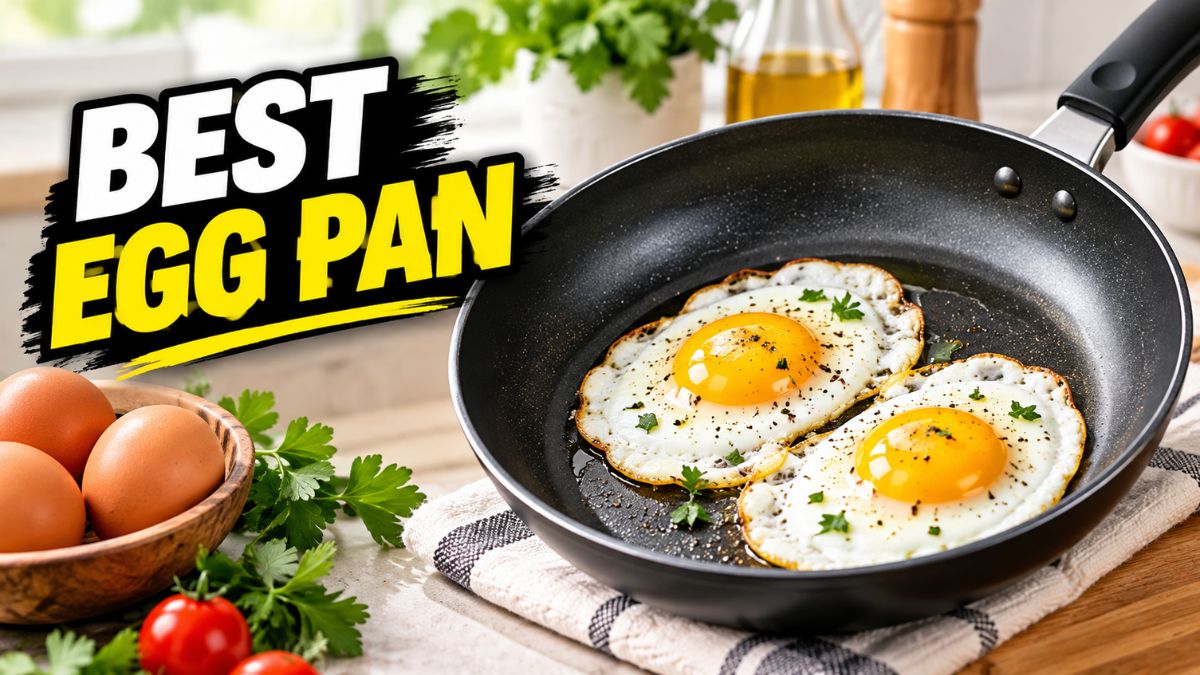
Finding the best nonstick frying pan for eggs comes down to more than choosing a slick surface. The right skillet should release delicate eggs, distribute heat evenly, feel comfortable to maneuver, and clean up gently. For most home cooks, an 8-inch skillet is a practical choice for one or two eggs; a 10-inch pan offers room for omelets, and a 12-inch pan suits several servings. Traditional PTFE nonstick and ceramic coatings have different care requirements. This guide compares Carote, SENSARTE, Tramontina, Blue Diamond, and OXO using product information and intended use. No physical side-by-side cooking tests were conducted. Recommendations are a starting point: confirm the exact model, coating, cooktop compatibility, heat limits, and current price before buying.
Quick Comparison Table
| Image | Product | Key Feature | Buy Now |
|---|---|---|---|
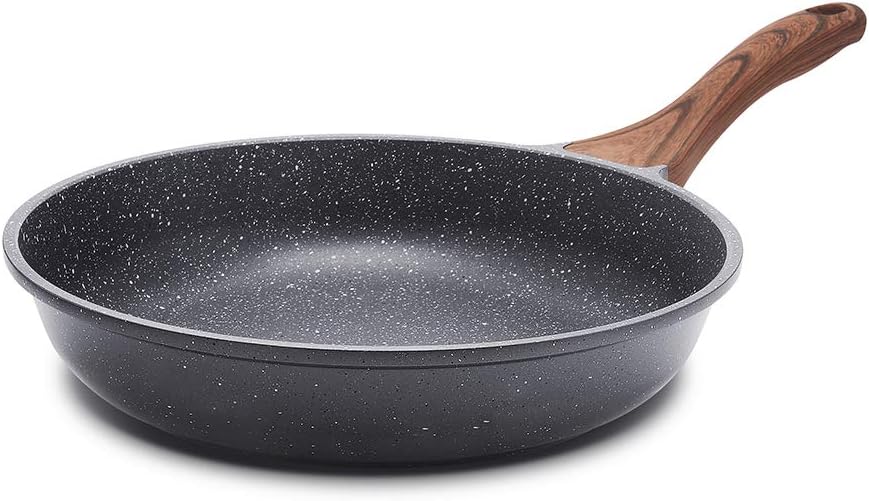
| CAROTE Classic Granite 8-Inch Skillet 💰 Budget Candidate | Compact 8-inch nonstick pan for one or two eggs; induction-compatible base. | Buy Now | |
| SENSARTE Swiss Granite 9.5-Inch Skillet 🏆 Everyday Versatility | 9.5-inch cast-aluminum skillet with ILAG nonstick and an induction-compatible base. | Buy Now | |
| Tramontina Professional 8-Inch Fry Pan 📐 Small Portions | 8-inch aluminum skillet for individual servings; not induction-compatible. | Buy Now | |
| Blue Diamond 10-Inch Ceramic Skillet 🏆 Ceramic Option | 10-inch ceramic-coated skillet with room for omelets; not induction-compatible. | Buy Now | |
| OXO Enhanced 12-Inch Frying Pan 🏆 Larger Portions | 12-inch hard-anodized ceramic skillet for larger breakfasts. | Buy Now |



Recommended Amazon Products
Research-based editorial recommendations. No hands-on cooking tests were conducted.
🌟 Key Features That Stand Out
- ✓ Compact Size: 8-inch skillet for smaller egg portions.
- ✓ Granite-Style Nonstick: Listing describes a nonstick cooking surface.
- ✓ Induction Base: Listing specifies a magnetic stainless steel base for induction and other stovetops.
- ✓ Easy Cleanup: Follow the exact model’s washing and utensil guidance.
💡 Why We Recommend It
🎯 Best For
✅ Pros
- Compact size for smaller portions
- Suitable format for everyday egg preparation
- Convenient as a dedicated breakfast pan
- Takes up less space than a 12-inch skillet
❌ Cons
- Limited room for larger omelets or family portions
- Coating composition should be verified
- Exact heat and oven limits need confirmation
🌟 Key Features That Stand Out
- ✓ 9.5-Inch Size: Room for eggs, omelets, and small everyday meals.
- ✓ ILAG Nonstick: Swiss nonstick coating identified in the fetched listing.
- ✓ Cast Aluminum Body: Designed for everyday stovetop cooking.
- ✓ Induction Compatible: Magnetic stainless steel base according to the listing.
- ✓ Bakelite Handle: Woodgrain grip; listing gives an oven limit of 302°F.
💡 Why We Recommend It
🎯 Best For
✅ Pros
- Available in different sizes
- Suitable for multiple everyday cooking tasks
- Can serve as an egg and omelet pan
- An alternative to a single-purpose skillet
❌ Cons
- Exact ASIN variant should be checked
- Coating terminology needs careful interpretation
- Performance and longevity have not been independently tested here
🌟 Key Features That Stand Out
- ✓ 8-Inch Size: Compact cooking area for individual servings.
- ✓ Aluminum Body: Heavy-gauge aluminum construction.
- ✓ Nonstick Coating: Intended to simplify egg release and cleanup.
- ✓ Cooktop Fit: Gas, electric, and ceramic glass; not induction.
- ✓ Oven Use: Listing states up to 400°F with a removable silicone handle sleeve; follow the model’s instructions.
💡 Why We Recommend It
🎯 Best For
✅ Pros
- Compact 8-inch size
- Aluminum construction
- Practical shape for individual servings
- Suitable format for fried eggs and small omelets
❌ Cons
- Limited cooking area for family portions
- Exact coating specifications require confirmation
- Not a substitute for a larger skillet when cooking batches
🌟 Key Features That Stand Out
- ✓ 10-Inch Size: More room for omelets and multiple eggs.
- ✓ Ceramic Nonstick: Diamond-infused ceramic coating described by the manufacturer.
- ✓ Cooktop Fit: Listing excludes induction.
- ✓ Oven Use: Listing states oven and broiler use up to 600°F; verify exact model instructions.
- ✓ Handle: Riveted stainless steel design.
- ✓ Care: Listing allows dishwasher cleaning; gentle hand-washing may help coating care.
💡 Why We Recommend It
🎯 Best For
✅ Pros
- 10-inch size provides additional cooking room
- Ceramic-coated option for shoppers comparing surface types
- Suitable format for omelets and everyday eggs
- Can serve as a general-purpose skillet
❌ Cons
- Larger than necessary for a single egg
- Ceramic coating does not guarantee long-term nonstick performance
- Exact compatibility and temperature limits should be verified
🌟 Key Features That Stand Out
- ✓ 12-Inch Size: Large cooking surface for several portions.
- ✓ Hard-Anodized Body: Construction identified in the current fetched listing.
- ✓ Ceramic Nonstick: Diamond-reinforced ceramic coating described in the listing.
- ✓ Stainless Steel Handle: Check grip, balance, and weight before buying.
- ✓ Oven Use: Listing states up to 430°F/220°C.
- ✓ Cleanup: Listed as dishwasher-safe; follow the exact product’s care instructions.
💡 Why We Recommend It
🎯 Best For
✅ Pros
- Large cooking surface
- Useful for multiple portions
- Suitable for larger omelets
- Can handle a wider range of skillet meals
❌ Cons
- Takes up more storage space
- May be excessive for one or two eggs
- Exact coating and model details need confirmation
🏆 Our Top Pick
The best nonstick egg pan fits your portions, works with your stove, and has a coating you can maintain. Compare CAROTE and Tramontina for small portions, SENSARTE for versatility, Blue Diamond for a medium ceramic option, and OXO for larger breakfasts.
How to Choose and Care for a Nonstick Egg Pan
Choose the right size
An 8-inch pan suits one or two eggs, a 10-inch skillet gives omelets more room, and a 12-inch pan suits family breakfasts. Match the base to your burner and check usable cooking area, not just the rim diameter. For larger mixed breakfasts, compare the cooking space in our cast iron griddle guide for pancakes and eggs.
Understand coating types
PTFE nonstick and ceramic-coated cookware are different categories. Read the manufacturer’s material disclosure rather than relying on “granite,” “stone,” or “diamond” marketing. Neither category automatically guarantees longer food release. If you are also considering a pan for browning and oven meals, our enameled cast iron skillet comparison explains that alternative; enamel is not the same as a nonstick coating.
Check heat distribution and cooktop fit
Base material, thickness, burner size, and temperature all affect how evenly eggs cook. Aluminum transfers heat efficiently, but material alone cannot establish even heating. Induction requires an appropriate magnetic base: verify the exact size and model rather than assuming brand-wide compatibility.
Prioritize comfortable handling
Check weight, balance, grip, and both pan and handle oven limits. A larger skillet can be harder to tilt and wash. When comparing nonstick with heavier cookware, our guide to lightweight cast iron skillets discusses the trade-offs between maneuverability and heat retention.
Maintenance and everyday value
Use low to medium heat, avoid prolonged empty preheating, and add a little butter or oil when appropriate. Use manufacturer-approved utensils, let the pan cool, and wash gently with a soft sponge. Protect the surface when stacking. A higher price does not automatically mean better egg release; compare warranty, care requirements, and replacement cost.
Seasoned iron has a different maintenance routine from coated cookware. Our beginner’s guide to cast iron skillets helps compare seasoning care before switching materials.
Avoid common buying mistakes
- Buying too little cooking space for your usual portions.
- Assuming all nonstick coatings share the same composition.
- Ignoring induction compatibility or oven restrictions.
- Using unapproved metal utensils, abrasive cleaners, or excessive heat.
- Assuming dishwasher-safe means dishwasher cleaning is best for longevity.
- Relying on outdated prices or specifications.
When to replace a pan
No single lifespan applies to every nonstick pan. Frequency of use, temperature, utensils, cleaning, and coating quality all matter. Stop using a pan with peeling, flaking, bubbling, or deep scratches and consult the manufacturer’s replacement guidance. Do not try to restore a damaged coating by abrasive scrubbing.
How we selected these products
This guide uses the five supplied Amazon ASINs and product information to compare cooking surface, coating category, intended use, cooktop fit, ease of care, and size trade-offs. We did not independently measure heat distribution, test egg release, assess coating wear, or verify current customer ratings. Category labels are editorial suggestions, not laboratory awards. Product features are listing information and should be confirmed against the exact current model.


