
4 Best Smokers for Brisket Beginners: Top Picks Reviewed
Find the best smoker for brisket beginners. Compare pellet, electric & charcoal options for temperature control, capacity & ease so your first brisket succeeds.

Choosing the best smoker for brisket beginners can feel overwhelming. Brisket demands long, steady low temperatures (typically 225–275°F) for 10–16+ hours, and temperature swings ruin bark and moisture. The right smoker removes most of the fire-management stress so you can focus on seasoning, wrapping, and resting. Pellet and electric models dominate beginner lists because digital controllers hold set points with minimal babysitting. Traditional charcoal water smokers (like the Weber Smokey Mountain) still deliver excellent results once you learn the vents. Offset smokers teach classic fire management but carry a steeper curve. This research-based guide covers seven well-regarded models that consistently appear in expert and buyer recommendations for first-time brisket cooks. We look at capacity for a packer or large flat, temperature stability features, cleaning, and practical trade-offs. You will leave knowing which style fits your space, budget, and how hands-on you want to be. You may also find our best Electric Smoker for Beginners guide useful.
Quick Comparison Table
| Image | Product | Key Feature | Buy Now |
|---|---|---|---|
| Traeger Pro 575 👌 Best Overall for Brisket Beginners | Monitor and adjust temperature • Faster ignition and steadier pellet • Fits a full packer brisket plus sides. | Buy Now | |
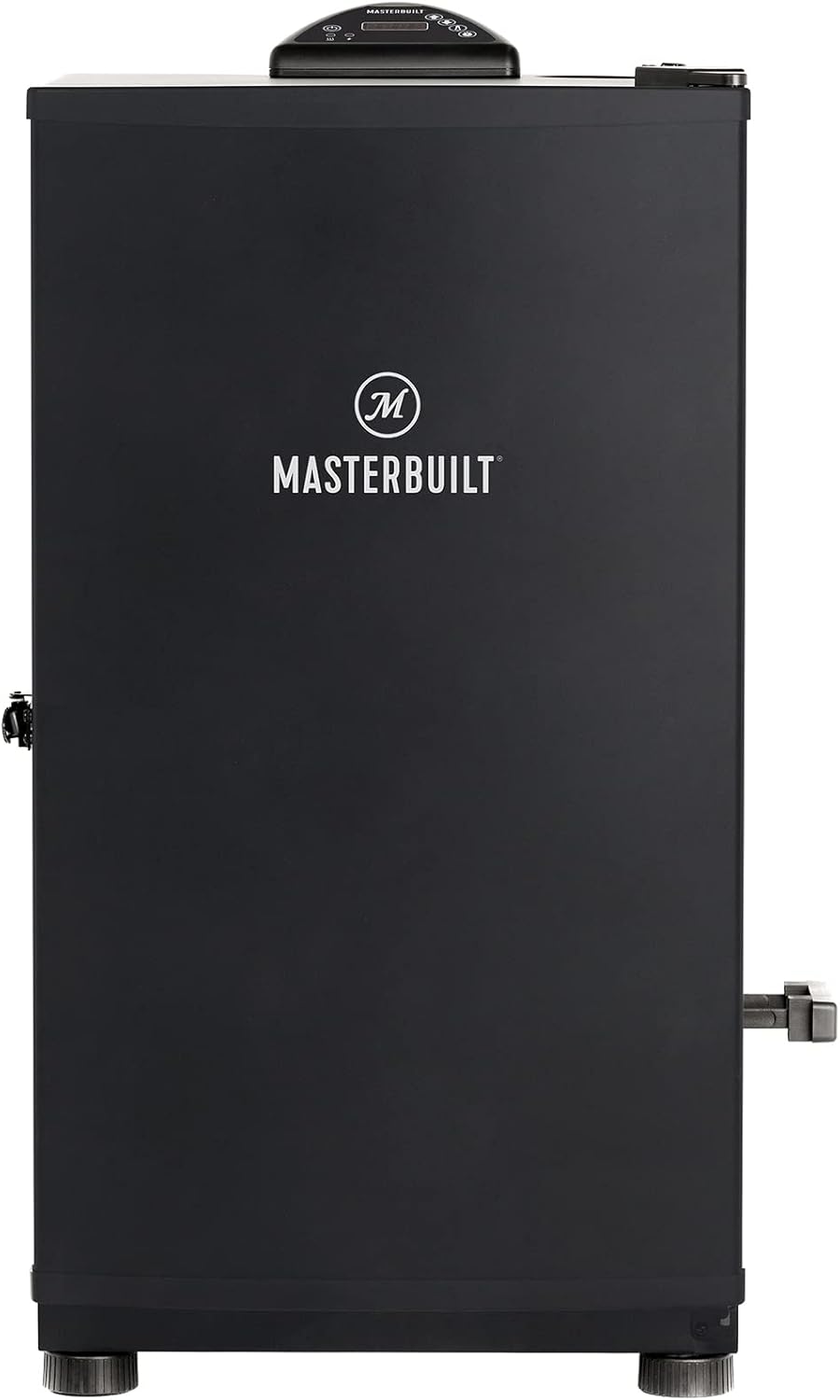
| Masterbuilt 30-Inch Digital Electric Smoker 💰 Best Budget / Easiest | Digital temperature and timer • Patented side wood-chip loader (add • Four chrome-coated racks / ≈710–711 | Buy Now | |
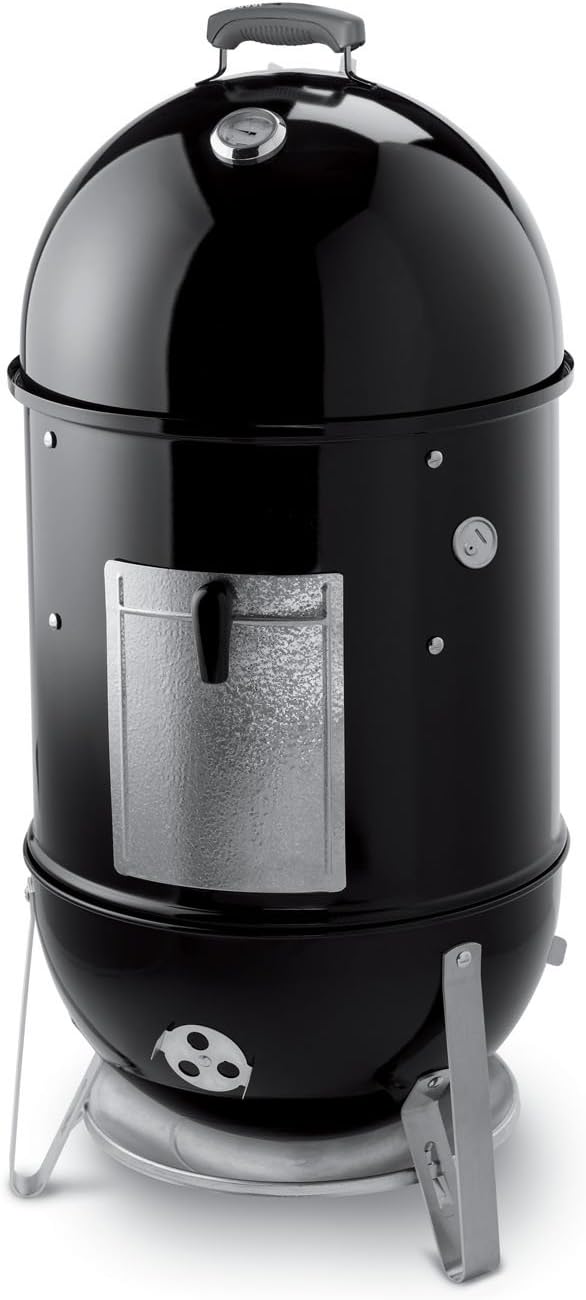
| Weber Smokey Mountain Cooker 18-Inch 🏆 Best Traditional Charcoal | Porcelain-enameled lid • Two 18.5-inch cooking grates (≈481 sq • Water pan for moisture and | Buy Now | |
| Oklahoma Joe’s Highland Offset Smoker 🏆 Best Offset for Learning | ≈619–900 sq in total (main chamber + • Side firebox for charcoal/wood • Adjustable dampers | Buy Now |

4 Recommended Best Smoker for Brisket Beginners
Four research-based candidates compared on features and everyday use
We compared product identity and practical buying criteria from the current Amazon listings. No independent hands-on tests were performed. Confirm the exact variant, dimensions, and care instructions before ordering.
🌟 Key Features That Stand Out
- ✓ WiFIRE App Control: Monitor and adjust temperature remotely.
- ✓ D2 Direct Drivetrain: Faster ignition and steadier pellet feed.
- ✓ 575 sq in Total Cooking Area: Fits a full packer brisket plus sides.
- ✓ 18 lb Hopper: Supports multi-hour cooks with fewer refills.
- ✓ Meat Probe Included: Track internal temperature without opening the lid.
- ✓ Temperature Range ≈ 165–500°F: Covers smoking and higher-heat finishing.
- ✓ Porcelain-Coated Grates: Easier cleanup than bare steel.
💡 Why We Recommend It
🎯 Best For
🌟 Key Features That Stand Out
- ✓ Digital temperature and timer controls (up to ≈275°F)
- ✓ Patented side wood-chip loader (add chips without opening door)
- ✓ Four chrome-coated racks / ≈710–711 sq in
- ✓ Water bowl for moisture
- ✓ Removable rear grease tray
- ✓ Viewing window on many versions
💡 Why We Recommend It
🎯 Best For
✅ Pros
- Milder smoke flavor than wood-pellet or charcoal
- Max temperature limits high-heat finishing
- Durability feedback varies after heavy multi-year use
❌ Cons
- Extremely easy temperature control
- Side chip loader keeps heat and smoke inside
- Affordable entry point
- Compact vertical footprint
🌟 Key Features That Stand Out
- ✓ Porcelain-enameled lid, bowl, and center section
- ✓ Two 18.5-inch cooking grates (≈481 sq in total)
- ✓ Water pan for moisture and temperature stability
- ✓ Adjustable dampers on lid and bowl
- ✓ Built-in lid thermometer
- ✓ Compact vertical design
💡 Why We Recommend It
🎯 Best For
✅ Pros
- Requires charcoal management and learning curve
- Vertical design means stacking food
- No digital controls
❌ Cons
- Excellent smoke flavor and bark potential
- Stable once dialed in
- Durable porcelain construction
- Large community of recipes and tips
🌟 Key Features That Stand Out
- ✓ ≈619–900 sq in total (main chamber + firebox grate)
- ✓ Side firebox for charcoal/wood
- ✓ Adjustable dampers
- ✓ Porcelain-coated grates on many versions
- ✓ Front and bottom shelves
- ✓ Authentic offset smoke flavor
- ✓ Large capacity
💡 Why We Recommend It
🎯 Best For
✅ Pros
- Requires active fire management
- Temperature swings more common without mods
- Heavier and takes more space
🏆 Our Top Pick
For most beginners seeking the best smoker for brisket, a mid-size pellet grill such as the Traeger Pro 575 offers the strongest combination of ease, capacity, and flavor. The Masterbuilt 30-inch digital electric is the simplest and most budget-friendly starting point. The Weber Smokey Mountain remains the top traditional charcoal choice. The Traeger Pro 575 covers the set-and-forget pellet route, while the Oklahoma Joe’s Highland serves those determined to learn offset cooking.
Prioritize temperature stability and enough space for your typical brisket size. Start simple, keep good notes, and upgrade later if the hobby sticks. Verify current Amazon pricing, reviews, and exact model specs before purchasing.
SEO Metadata Summary
Primary Keyword: best smoker for brisket beginners
URL Slug: best-smoker-for-brisket-beginners
Research basis: Manufacturer specifications + expert roundups (no firsthand testing claimed).
Always verify live Amazon ASINs, pricing, and stock before publishing affiliate links.
© Research-based buying guide. Content is for informational purposes.
How to Choose the Best Smoker for Brisket Beginners
Temperature Control and Stability
Brisket succeeds or fails on consistent low heat. Look for digital PID or good thermostat control on pellet and electric models. On charcoal, prioritize designs with effective water pans and adjustable dampers (Weber Smokey Mountain style).
Capacity for a Full Packer
A typical packer needs roughly 18–22 inches of length and good vertical clearance. Aim for at least 450–500+ sq in of usable space. Vertical electrics and bullet smokers work well with careful placement; horizontal pellets and offsets are more straightforward.
Fuel Type Trade-offs
- Pellet: Easiest real-wood flavor + digital control.
- Electric + chips: Lowest effort, milder smoke.
- Charcoal water smoker: Excellent flavor, moderate learning curve.
- Offset: Best traditional flavor, highest attention required.
Ease of Use and Learning Curve
Digital controllers and side loaders win for pure beginners. Charcoal and offset require practice with vents, fuel, and airflow.
Build Quality, Cleaning, and Maintenance
Porcelain enamel and removable ash/grease systems reduce long-term hassle. Pellet hoppers with clean-out doors are a practical plus. Plan for covers and dry storage.
Safety and Placement
All outdoor smokers need clear space, level ground, and distance from structures. Electric models need a GFCI outlet. Follow manufacturer clearance guidelines.
Budget and Value
Entry electric and budget pellets start lower; mid-range pellets and quality charcoal sit in the middle; premium pellets and well-built offsets cost more. Factor ongoing fuel (pellets vs charcoal vs chips) and accessories (cover, probes, pellets).
Common Buying Mistakes
Buying an oversized offset as a first smoker, underestimating capacity needs, ignoring electricity/pellet storage requirements, or choosing purely on price without checking temperature-control reputation.
Other Buying Guides
Shopping for related gear too? Explore our best Electric Smoker for Beginners, best Pellet Grill for Beginners and best Grill Thermometer for Smoking Meat guides.
Why the Traeger Pro 575 Is Our Top Research-Based Pick
The Pro 575 balances the three factors that matter most for a first brisket: temperature stability, usable capacity, and low hands-on demand. Its digital controller and pellet auger system hold the critical 225–250°F range with far less intervention than charcoal or offset designs. The 575 sq in area comfortably fits a full packer, and the included probe plus app monitoring let beginners track progress without repeatedly opening the lid.
Compared with pure electric smokers it delivers more pronounced wood-smoke flavor. Compared with basic budget pellets it offers a more refined controller and larger support ecosystem. Limitations include electricity dependence and pellet cost. Choose the Masterbuilt electric if absolute simplicity and lowest price matter most, or the Weber Smokey Mountain if authentic charcoal results are the priority and you are willing to learn vents. For most U.S. backyard beginners seeking reliable first briskets, the research consensus points to a mid-size pellet grill like the Pro 575.
Practical Tips for Getting the Most From Your Smoker
- Season a new smoker with a high-temperature burn-off before the first food cook.
- Use a reliable leave-in probe in the thickest part of the brisket; do not rely solely on the lid thermometer.
- Keep the lid closed as much as possible—every opening drops temperature.
- For pellets, store fuel in sealed containers to prevent moisture absorption and auger jams.
- Start with a smaller flat or point before attempting a full packer.
- Plan the cook timeline backward from serving time, including a long rest (often 1–4 hours wrapped).
- Clean grease and ash regularly to maintain airflow and reduce flare-up risk.
- Keep a simple log of ambient temperature, set point, and results to improve future cooks.
Additional Useful Sections
Pellet vs Electric vs Charcoal for First Brisket
Pellet offers the best balance of flavor and ease for most beginners. Electric is the simplest. Charcoal delivers classic results with moderate effort. Offsets are best left for a second smoker after fundamentals are learned.
What Size Smoker Do You Need for Brisket?
A trimmed packer typically needs 18+ inches of grate length. 450–600 sq in is comfortable for most home cooks; larger is better if you also cook for crowds.
Is a Premium Smoker Worth It for Beginners?
Not always. A solid mid-range pellet or the Weber Smokey Mountain produces excellent results. Premium features (better smoke boxes, refined apps, heavier steel) become valuable once you cook frequently.
Common Problems with Beginner Smokers
Temperature swings (poor control or wind), weak smoke (electric or low-quality pellets), and grease fires (infrequent cleaning). Most are solved by matching the smoker type to your willingness to manage the fire and by using a good thermometer.

